


7 notes to take to your doctor’s appointment
Appointments are short; with your questions and a record of recent weeks at hand, you get more out of the visit.
- 7 notes
- 5 min read
- 5 sections


In short
- Before the appointment, look over your records from recent weeks; be able to sum up what changed in one sentence.
- Gather the medications you take, your questions and notes from earlier check-ups in one list.
- Note what is said at the visit; record the next step and the check-up date the same day.
Doctor’s appointments are often shorter than you expect. Once you are in the room, half the questions on your mind can slip away, and it gets harder to remember what happened when over the past few weeks. Preparing a few notes in advance makes the visit more useful for you.
Why do notes help?
Memory works selectively, especially at busy or anxious moments. You clearly remember what happened most recently but may overlook a change from three weeks ago. Short, dated notes fill that gap: what happened, when it started, how often it came back. If you're heading to a gynecology appointment, 12 questions to ask at your gynecology appointment gathers this preparation question by question.
Your notes don’t need to be long. A few words and a date are usually enough. What matters is bringing the information to the visit in a ready-to-use order.
Before the appointment: look back at recent weeks
A day or two before the appointment, go over your records from recent weeks: your daily notes, your mood and energy markers, and your cycle dates if you track them. You don’t need to look at each one; seeing the overall picture is enough. If you're going in with a cold or flu, What to tell the doctor about cold and flu symptoms explains how to note your symptoms day by day.

At the end of this review, try writing a one-sentence summary, such as “For the last three weeks I have felt more tired in the evenings.” Opening the conversation with this sentence takes it in the right direction.
7 notes to take with you
Think of the list below as a checklist. Not all of them are needed for every appointment; pick the ones that fit your situation.
- Medications you take and their timesNames, doses and the time of day you take them. Add over-the-counter medicines and supplements too.
- Changes and start datesWhat changed, when did you first notice it, how often does it happen? A date is worth more than you remember.
- Your daily observationsShort notes you keep yourself, such as mood, energy and sleep.
- Your cycle datesIf you track them, the start and end dates of your last few cycles; ready when you are asked.
- Notes from previous check-upsWhat was said at the last visit, the tests that were requested and a copy of their results.
- Questions you want to askList them starting with the most important; make sure the first three get asked.
- Allergies and past experiencesYour known allergies and any unwanted effects you have had with a medication before.
During the visit
Share the list you prepared at the start of the visit. Your doctor may want to look at some of your notes; showing the screen or the paper is often quicker than explaining.
- Jot down what is said, especially medication changes and dates.
- If there is a term you don’t understand, don’t hesitate to ask.
- Before the visit ends, make the next step clear: a new test or a check-up date?
A good visit starts with a few well-prepared notes.
After the appointment
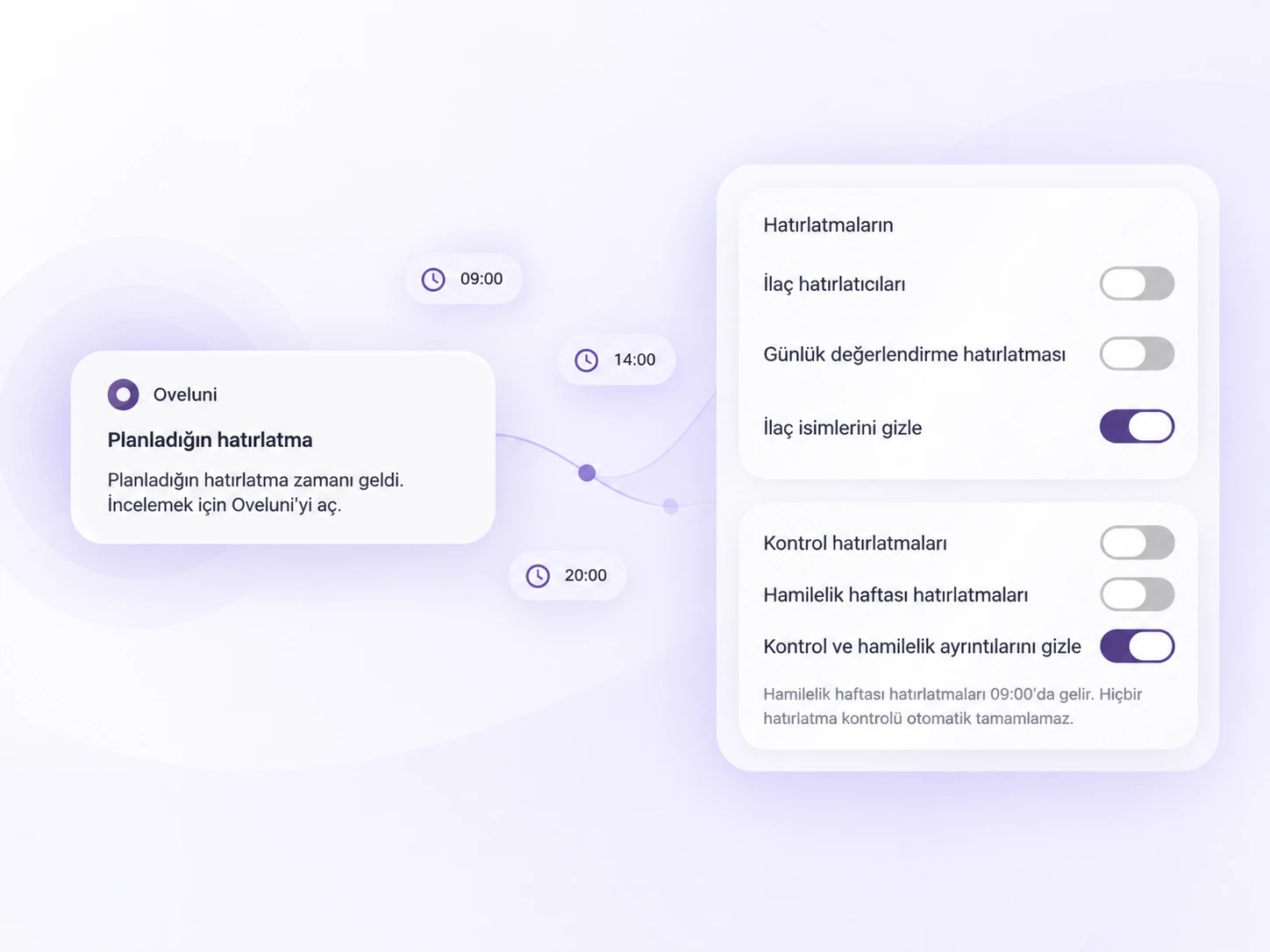
When you get home, record your notes the same day; a few days later it is harder to remember what was discussed. Add the next check-up date to your calendar and set yourself a reminder. For a step-by-step way to organize them, see 5 steps to organize your notes after a doctor's appointment. We explain step by step how to add your next check-up and set a reminder in our guide to doctor appointment reminders in Oveluni.
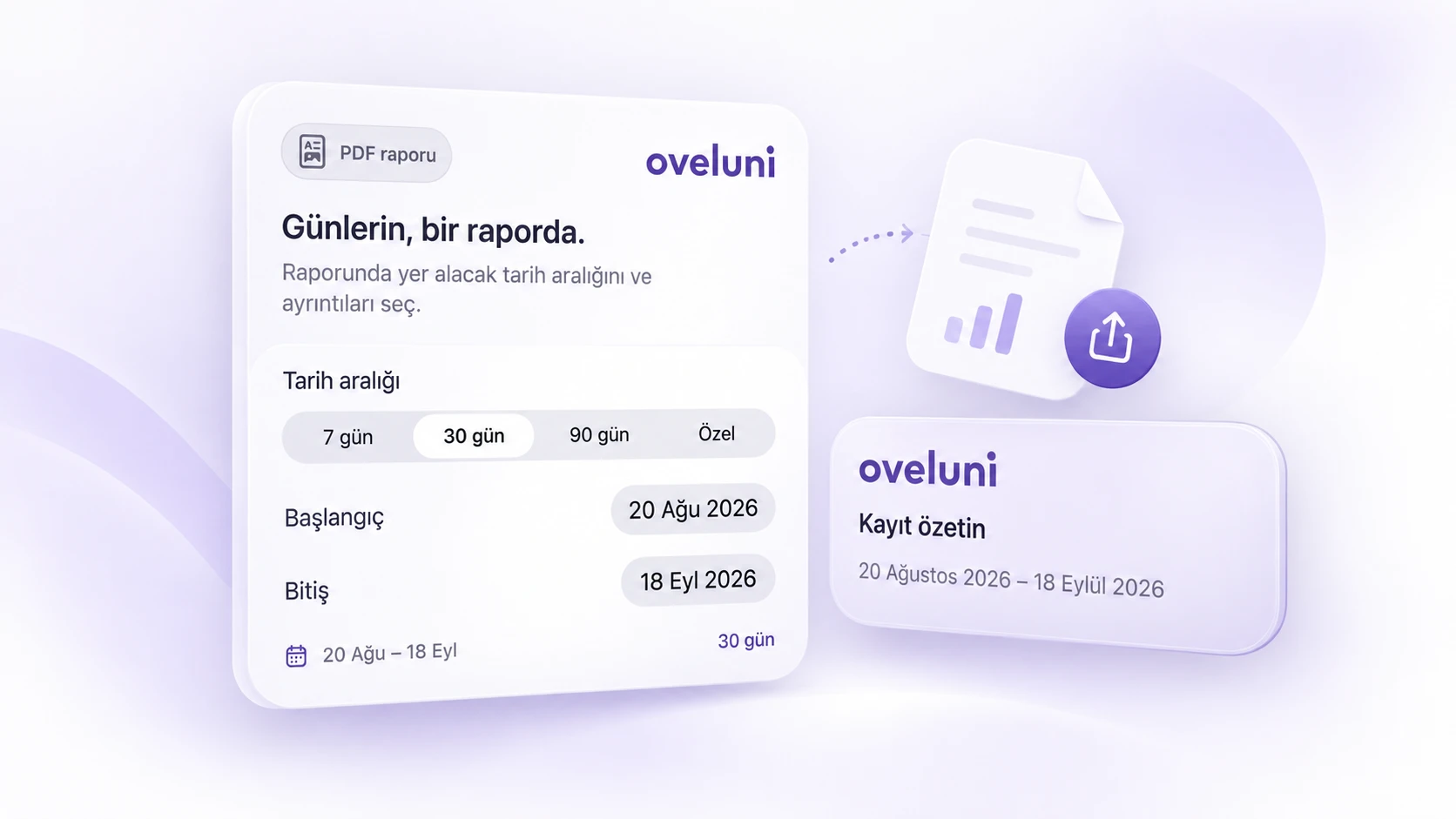
This habit settles in within a few appointments. Each time you go a little better prepared and ask a little clearer questions. If you want to turn your notes into a report for the visit, see creating a PDF report in Oveluni and sharing it with your doctor. If you live with a long-term condition, see also Never missing a check-up for a long-term condition.
This article is for general info only. It does not offer diagnosis or treatment; it provides practical suggestions on recording and tracking. Consult your doctor for health decisions. Last updated: 24 September 2026
Was this article helpful?
Thanks, we got your feedback.